
Pyometra is a serious and potentially life-threatening uterine infection that affects intact female dogs. It most commonly occurs in middle-aged to senior dogs and requires urgent veterinary care. At Alpine Veterinary Hospital, we want pet owners to understand the warning signs of pyometra and the importance of early treatment.
What Is Pyometra?
Pyometra is an infection of the uterus that develops after a dog’s heat cycle. Hormonal changes cause the uterine lining to thicken, creating an environment where bacteria can grow. Over time, the uterus can fill with pus, leading to severe illness and, if untreated, death.
There are two types of pyometra:
-
Open pyometra – the cervix is open, allowing discharge to exit the body
-
Closed pyometra – the cervix is closed, trapping infection inside (this form is especially dangerous)
Signs and Symptoms of Pyometra in Dogs
Symptoms can vary and may develop quickly. Common signs include:
-
Lethargy or weakness
-
Loss of appetite
-
Increased thirst and urination
-
Vomiting or diarrhea
-
Fever
-
Abdominal swelling or pain
-
Vaginal discharge (pus or bloody discharge, not always present)
If you notice any of these signs, especially in an unspayed dog, seek veterinary care immediately.
Why Pyometra Is an Emergency
Pyometra can rapidly lead to:
-
Sepsis (blood infection)
-
Kidney failure
-
Uterine rupture
-
Shock and death
Without treatment, pyometra is often fatal. Prompt diagnosis and intervention significantly improve survival and recovery.
How Is Pyometra Diagnosed?
Diagnosis typically includes:
-
Physical examination
-
Bloodwork to assess infection and organ function
-
Abdominal ultrasound or X-rays
Early diagnosis is critical to a successful outcome.
Treatment for Canine Pyometra
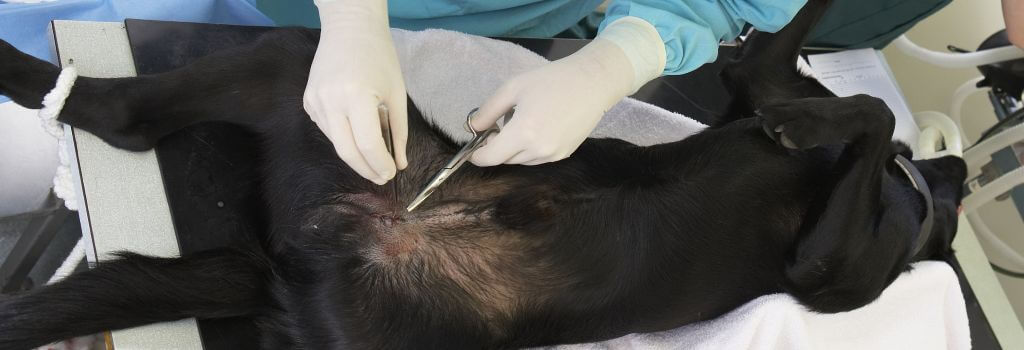
The gold standard treatment for pyometra is emergency surgery to remove the infected uterus and ovaries (spay surgery). Most dogs also require:
-
IV fluids
-
Antibiotics
-
Pain management
-
Hospitalization and monitoring
Medical (non-surgical) treatment is rarely recommended and only considered in very specific cases due to a high risk of recurrence.
Prognosis and Recovery
With prompt surgical treatment, many dogs recover well, even seniors. Recovery depends on:
-
How early the condition is caught
-
Whether complications such as sepsis are present
-
Overall health of the dog
Post-operative care and follow-up are essential for a smooth recovery.
Preventing Pyometra
The best way to prevent pyometra is spaying your dog. Spaying eliminates the uterus and ovaries, completely removing the risk of pyometra and providing additional health benefits, including reduced risk of mammary cancer.
When to Contact a Veterinarian
If your dog is unspayed and showing any signs of illness, especially after a heat cycle, do not wait. Pyometra is a medical emergency.
Contact Alpine Veterinary Hospital immediately if you are concerned your dog may have pyometra. Our team is here to provide compassionate, timely care when your pet needs it most.